Slip and fall accidents happen frequently throughout Florida, often resulting in serious injuries that require extensive medical treatment and time away from work. Many accident victims wonder whether they can pursue legal action against property owners who failed to maintain safe conditions.
The answer depends on various factors, including the circumstances of your accident, the property owner’s knowledge of dangerous conditions, and your status when visiting the premises. Understanding Florida’s slip and fall laws and working with an experienced Florida premises liability attorney gives you the best chance of securing compensation for injuries caused by negligent property maintenance.
Key Takeaways
- Property owners in Florida have a legal duty to keep their premises reasonably safe for visitors.
- You must prove the property owner knew or reasonably should have known about the dangerous condition that caused your injury.
- Your legal status as a visitor—invitee, licensee, or trespasser—determines the property owner's specific legal duty to you.
- Collecting evidence like photos, incident reports, and witness contact information immediately after your fall strengthens your claim.
- Florida's comparative fault rule means you may still recover compensation even if you were partially at fault, though your award diminishes by your percentage of fault.
- A premises liability attorney helps you navigate insurance company tactics and build a strong case for the compensation you deserve.
Florida’s Legal Framework for Slip and Fall Cases
In Florida, slip and fall cases fall under premises liability law, meaning property owners can be held responsible for injuries caused by unsafe conditions. To win such a case, you must show that the owner owed you a duty of care, failed to fix or warn about known hazards, and that this negligence caused your injury and damages.
Courts weigh these factors carefully, holding owners accountable only when negligence played a role. The level of protection depends on your status—business customers get the most, social guests get less, and trespassers get minimal protection, except in cases involving children or deliberate harm.
Establishing Property Owner Liability
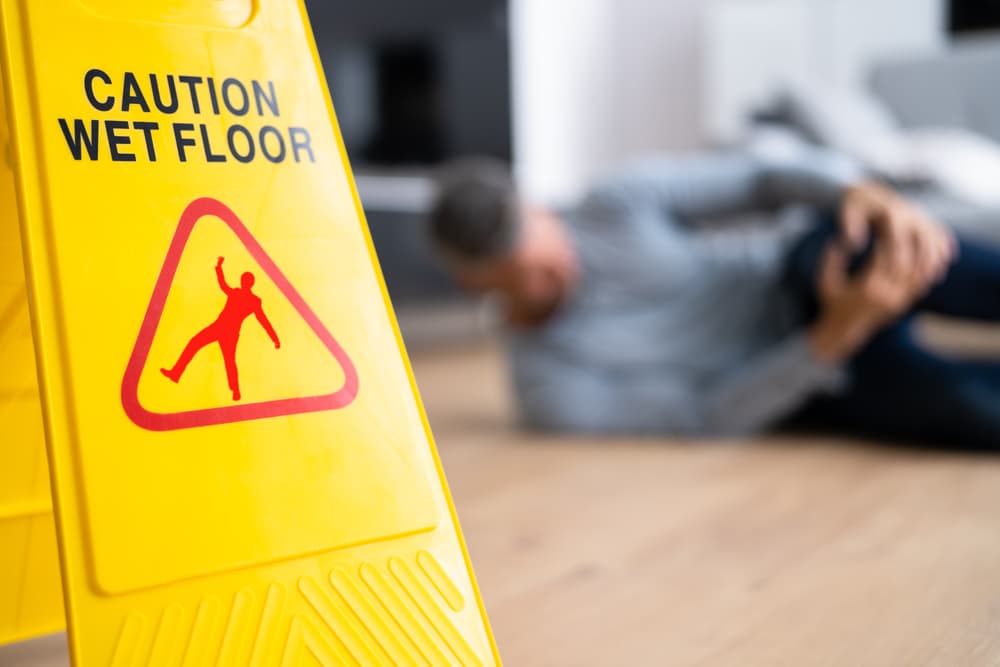
To win a slip and fall case, you must prove the property owner knew about the hazard or should have found it through regular inspections. Owners aren’t liable for hidden defects or problems that appear suddenly without warning.
Actual knowledge happens when they get direct reports from customers, staff, or see the danger themselves. Constructive knowledge applies when a hazard exists long enough that regular checks should have caught it, like a puddle left for hours or a step broken for weeks. Inspection frequency depends on the property type—busy stores must check more often than quiet office buildings.
Visitor Classifications Under Florida Law
Florida law places property visitors into categories with different levels of protection. Business invitees, such as customers, patients, or clients, get the highest care. Owners must regularly inspect for hazards, fix them, or give clear warnings.
Licensees, like social guests, get moderate protection. Owners must warn of known dangers, but don’t have to inspect as actively. Trespassers get minimal protection, with owners avoiding intentional harm or traps.
Special rules protect children who trespass near “attractive nuisances” like pools. Some cases involve mixed roles, such as customers in restricted areas, and courts review the facts to decide the proper duty of care.
Common Defenses Property Owners Use
Property owners and insurers use several defenses to fight slip and fall claims. The “open and obvious” defense says hazards were so clear that careful visitors would have avoided them.
Comparative fault argues that victims partly caused their injuries by being careless or distracted. In Florida, victims can still recover damages, but awards are reduced by their share of fault.
Lack of notice claims that hazards appeared too recently for owners to find and fix. Alternative causation suggests something else—like a medical issue, intoxication, or other conditions—caused the fall, breaking the link to the owner’s negligence.
Evidence Collection for Slip and Fall Cases
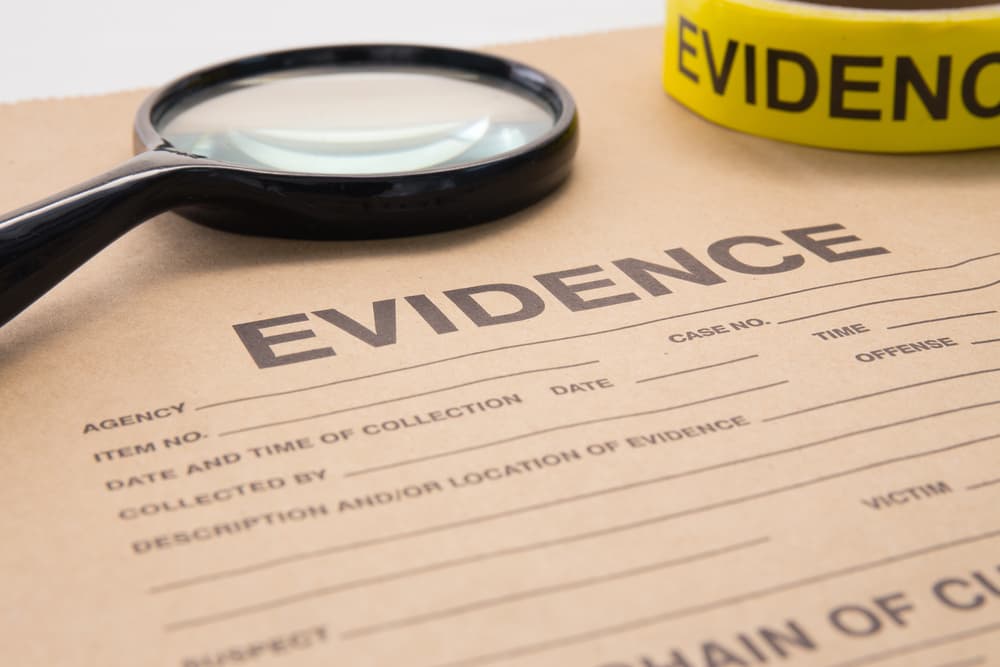
Winning a slip and fall case requires strong evidence showing the hazard and the property owner’s failure to address it. Photos are the most powerful proof—take them immediately, from different angles, including wide shots showing lighting and foot traffic, and close-ups of the hazard. Incident reports filed with the property owner create an official record of what happened.
Always request a copy, as these reports may include admissions about known hazards. Witness statements provide independent support, especially from people who also complained about the same problem.
Gather contact details quickly before they become hard to find. Medical records are equally important, proving the injuries and treatment needed. Even if you feel fine, see a doctor promptly, as some injuries appear later. Follow all medical advice to show the seriousness of your condition. These steps build a solid foundation for a successful slip and fall claim.
The Role of Surveillance Footage
Many Florida businesses have security cameras that may capture slip and fall accidents. This footage can be key evidence, showing exactly what happened and the conditions at the time. However, property owners don’t have to keep recordings forever—many systems erase footage within days or weeks.
Acting quickly through an attorney can secure the video before it’s lost. Surveillance often reveals details witnesses might miss, such as lighting, warning signs, or the exact sequence of events. Still, footage isn’t always perfect—camera angles may miss the hazard.
Attorneys can work with experts to enhance videos and highlight important details. Some businesses claim cameras weren’t working or didn’t record the incident, but early investigation may uncover other footage or evidence to challenge these claims. Preserving and analyzing video quickly can make the difference between a weak case and one backed by clear, objective proof.
The Role of Medical Records in Proving Your Case
Your medical records provide the official link between the slip and fall accident and your injuries. Insurance adjusters scrutinize these documents for any reason to downplay or deny your claim. To protect your case:
- Seek immediate medical attention. This creates a clear timeline and shows you took your injuries seriously.
- Describe your symptoms thoroughly. Tell your doctor about all pain and symptoms, even if they seem minor. Some serious injuries have delayed symptoms.
- Explain how the fall happened. Ensure the medical staff notes the cause of your injury in your chart.
- Follow your doctor’s treatment plan. Adhere to all prescribed treatments, attend physical therapy, and go to all follow-up appointments. Gaps in treatment can suggest your injuries are not severe.
Insurance Company Tactics and Challenges
Insurance companies for property owners use many tactics to reduce slip and fall payouts. Knowing these strategies helps victims protect their claims. Adjusters often contact claimants within days, seeking recorded statements about the accident.
These statements can be used later if they conflict with medical records or other evidence. Quick settlement offers may seem tempting when bills are piling up, but they usually cover only a small portion of the claim value. Insurers also sometimes use surveillance to watch claimants, looking for activities that appear inconsistent with reported injuries.
This footage can be used to question injury severity. Additionally, insurance company doctors may review medical records or perform exams that downplay the seriousness of injuries or suggest they aren’t related to the accident. These reviews are meant to support the insurer’s position, not to give an unbiased opinion. Careful handling of these tactics is key to a fair settlement.
Calculating the Value of Your Slip and Fall Claim
If a property owner’s negligence caused your injuries, you may pursue compensation for different types of losses. These damages fall into three main categories:
- Economic Damages: These cover your measurable financial losses, including all past and future medical bills, lost wages, and any diminished future earning capacity.
- Non-Economic Damages: These compensate you for intangible harms like physical pain, emotional distress, scarring or disfigurement, and loss of enjoyment of life.
- Punitive Damages: In rare cases involving extreme or reckless conduct, a court may award punitive damages. These damages intend to punish the defendant and deter similar behavior in the future.
The Litigation Process in Florida
Slip and fall cases in Florida follow specific rules from filing to trial. Knowing the process helps victims prepare. Many cases settle before a lawsuit is filed, especially when liability is clear and damages are well-documented.
In these situations, your attorney presents evidence to the insurance company and negotiates for fair payment. If talks fail, a formal lawsuit is filed. The complaint outlines your claims against the property owner and the compensation you seek.
During discovery, both sides gather evidence through documents, depositions, and expert testimony, often uncovering details about hazards, maintenance, and injuries. If a settlement still isn’t reached, trial preparation begins.
Attorneys organize witness statements, expert reports, and visual evidence to present to a jury. While most cases end before trial, strong preparation improves your chances of a favorable settlement and ensures you’re ready if the case goes to court.
How a Premises Liability Lawyer Builds Your Case
Slip and fall cases involve complex legal and factual issues that require experienced legal representation to navigate successfully. Premises liability attorneys understand Florida law, insurance company tactics, and effective strategies for building winning cases.
Case evaluation by qualified attorneys helps accident victims understand whether they have viable claims worth pursuing through litigation. Attorneys examine evidence, assess liability issues, and provide realistic assessments of potential compensation based on similar cases and their experience with local courts.
Investigation resources available to experienced law firms often uncover evidence that individual claimants cannot access independently. Attorneys can preserve surveillance footage, interview witnesses professionally, and retain expert witnesses to analyze accident scenes and medical records.
Settlement negotiation skills developed through handling numerous slip and fall cases give attorneys significant advantages when dealing with insurance companies. They understand fair compensation ranges for different injuries and know when settlement offers represent adequate compensation versus lowball attempts to minimize payouts.
Trial experience becomes necessary when cases cannot be resolved through negotiation. Attorneys who regularly try premises liability cases understand how to present evidence effectively, cross-examine defense witnesses, and argue persuasively for maximum compensation.
Fighting for Fair Compensation After Slip and Fall Accidents
Slip and fall lawsuits in Florida provide important legal protections for people injured by negligent property maintenance and hazardous conditions. However, successful cases require thorough preparation, comprehensive evidence, and skilled legal advocacy to overcome insurance company resistance and defense attorney challenges.
Property owners and their insurance companies have significant resources dedicated to minimizing slip and fall claim payouts. They employ experienced attorneys, medical experts, and investigators to challenge every aspect of your case, from liability issues to injury severity and causation arguments.
The complexity of Florida premises liability law, combined with aggressive insurance company tactics, makes professional legal representation essential for protecting your rights and maximizing compensation. Experienced premises liability attorneys understand how to build compelling cases, counter common defenses, and negotiate effectively for fair settlements.
Don’t let insurance companies take advantage of your unfamiliarity with slip and fall law to minimize compensation for injuries caused by negligent property owners. Contact a qualified premises liability lawyer today to discuss your case and learn how to protect your legal rights while pursuing the compensation you deserve.
Frequently Asked Questions
How long after a slip and fall accident can I file a lawsuit in Florida?
Florida’s statute of limitations for slip and fall cases is typically four years from the date of injury, but various factors can affect this deadline. This makes it essential to consult with an attorney promptly to ensure your rights are protected and all filing requirements are met.
What if the property owner claims I was trespassing when I fell?
Trespasser status significantly limits your legal rights. However, exceptions exist for children, individuals who reasonably believed they had permission to be present, and situations where property owners created deliberate hazards, requiring careful legal analysis of your circumstances.
Can I sue if I fell because I was wearing inappropriate shoes or wasn’t paying attention?
Florida’s comparative fault system allows recovery even when you bear partial responsibility for your accident. However, your compensation will be reduced by your percentage of fault as determined through evidence about both your actions and the property owner’s negligence.
How long do I have to file a slip and fall lawsuit in Florida?
The deadline, known as the statute of limitations, recently changed in Florida. For slip and fall accidents that occurred on or after March 24, 2023, you have two years from the incident to file a lawsuit.
For accidents that happened before that date, the deadline is four years. Because this deadline is strict, you should speak with an attorney as soon as possible to protect your legal rights.
What should I do immediately after a slip and fall accident?
If you can, take photos of the hazard that caused you to fall from multiple angles. Report the incident to the property manager or owner and ask for a copy of the written incident report. Get contact information from any witnesses. Finally, seek a medical evaluation immediately, even if you do not feel seriously hurt.
What if there were no witnesses to my fall?
You can still successfully file a claim without witnesses. Surveillance video, photos of the hazard, and your own testimony can build a strong case.
An attorney can uncover evidence, such as maintenance logs or records of past complaints, that proves the property owner knew or should have known about the unsafe condition.
Can I sue a government entity if I fall on public property?
Yes, you can sue a government agency in Florida for a slip and fall, but these cases involve special rules and shorter deadlines.
You must provide a formal notice of your claim to the correct government entity within a specific timeframe, often much shorter than the standard statute of limitations. Failing to follow these strict procedures can prevent you from recovering any compensation.

James Wayne Holliday
James Wayne Holliday has been practicing law since 1995. He has been named as a “Best Attorney” Lifetime Charter Member in Florida, an honor awarded to less than one percent of the nation’s lawyers.
Mr. Holliday has earned a reputation as a relentless trial lawyer because of his outstanding work ethic and thorough preparation of his cases for trial.
Author's Bio