A sudden fall on someone else’s property can change your life in an instant. Successful slip and fall accident claims in Florida depend on showing that a property owner's negligence directly caused your injuries, a process that requires careful action and specific proof.
A Florida slip and fall lawyer handles these complex cases and can protect your rights. They can help you hold the responsible party accountable for their failure to maintain a safe environment.
Florida Slips and Falls: Your Key Takeaways
- Property owners have a legal duty to keep their premises reasonably safe for visitors.
- You must prove the owner knew or should have known about a hazard and failed to act.
- The deadline to file most slip and fall accident claims in Florida is two years from the injury date.
- Florida's modified comparative fault rule allows you to recover compensation if you are 50% or less at fault for the accident.
Establishing Property Owner Negligence in Florida
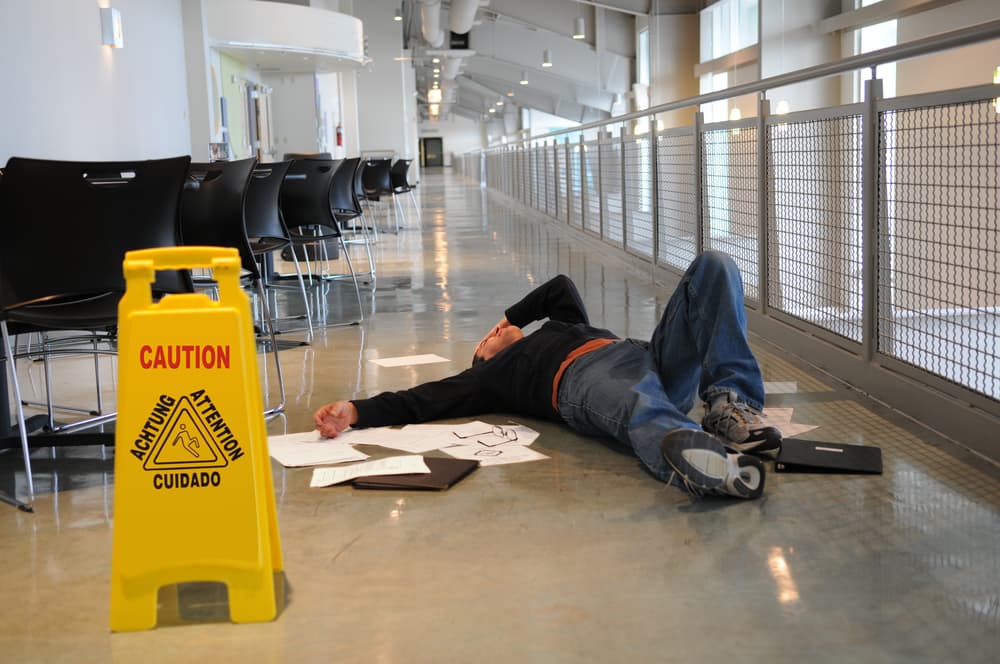
To succeed with a slip and fall accident claim in Florida, you must do more than show that you fell and got hurt. You must prove the property owner was negligent. This means demonstrating they failed in their legal duty to keep you safe.
Under Florida premises liability law, business owners owe the highest duty of care to their customers and guests, as outlined in Florida Statute § 768.0755. They must maintain their property in a reasonably safe condition. This includes regularly inspecting for potential hazards and addressing them in a timely manner.
The Concept of a Dangerous Condition
A dangerous condition is a hazard that poses an unreasonable risk of harm. It's not just any minor imperfection on a property. It's a situation that the owner either created, knew about, or should have known about through reasonable care.
Common examples of dangerous conditions include:
- Wet or Slippery Surfaces: Spills, recently mopped floors without warning signs, or tracked-in rainwater frequently cause falls.
- Uneven Walking Surfaces: Cracked pavement, broken tiles, or torn carpeting can easily cause someone to trip and fall.
- Poor Lighting: Inadequate lighting in stairwells, hallways, or parking lots can hide hazards that would otherwise be visible.
- Cluttered Aisles or Walkways: Merchandise, boxes, or other obstacles left in a walkway create a clear tripping danger.
Proving the Owner's Actual or Constructive Knowledge
Slip and fall accident claims in Florida often hinge on the concept of notice. Your lawyer must show that the owner had either actual or constructive knowledge of the hazardous condition. Florida law specifically requires this for falls on "transitory foreign substances" like a spill in a grocery store.
Actual knowledge means the owner or their employees were directly aware of the hazard. For example, another customer reported a spill, or an employee caused it.
Constructive knowledge means the condition existed for so long that a reasonably careful property owner should have discovered and fixed it. Evidence like surveillance footage showing how long a hazard was present before the fall can establish constructive knowledge.
Your Role in the Incident
When you pursue a slip and fall claim, the property owner's insurance company will closely examine your actions. They may argue that you share some responsibility for the accident.
Florida operates under a modified comparative negligence rule, which means you may still be able to receive compensation if you share some of the blame.
However, if you’re found to be more than 50% at fault for your own injuries, you cannot recover any compensation.
If you have 50% or less of the blame, your percentage of fault reduces your final award.
The Evidence That Strengthens a Slip and Fall Accident Claim
Strong evidence forms the foundation of successful slip and fall accident claims in Florida. Gathering proof is a time-sensitive task because hazardous conditions are often cleaned up quickly after an accident.
Many property owners won’t simply admit fault, so you must build a case that clearly shows their negligence caused your injuries. The goal is to collect objective proof that demonstrates a dangerous condition existed, the property owner was aware of it, and it directly caused your fall.
Without this link, it’s challenging to build a compelling claim for compensation. Each piece of evidence helps tell the story of what happened.
Documenting the Accident Scene
The most compelling evidence often comes directly from the scene of the fall. This proof can establish the conditions at the moment the incident occurred. Your actions in the moments and days after the fall can make a significant difference.
Essential scene documentation includes:
- Photographs and Videos: Pictures of the specific hazard that caused your fall are very persuasive. Take photos from multiple angles, showing the exact location and the surrounding area.
- Incident Reports: If you fell at a business, report it to a manager and ensure they create a written incident report. This report documents the time, date, and details of the event.
- Witness Information: Try to get the names and contact information of anyone who saw you fall or who saw the hazardous condition. Their statements may support your version of events.
Medical Records
Always seek a medical evaluation after a fall, even if you don't initially feel hurt. Your medical records provide the official link between the fall and your injuries. Your records create a timeline, show the severity of your injuries, and detail the cost of your care.
Keeping all records related to your treatment helps prove the economic damages you have suffered.
Preserving Key Physical Evidence
Your shoes and clothing at the time of the fall can be valuable proof, so don’t continue to wear them. Instead, store them safely in a bag. This evidence helps counter arguments that your footwear was inappropriate for the conditions and contributed to the fall.
An attorney can analyze this evidence to build a stronger case. They work to anticipate and refute defenses from the other side.
Potential Compensation in Florida Slip and Fall Cases
After a fall, you may face pain, emotional distress, and significant financial strain. The purpose of a personal injury claim is to recover compensation (damages) for these losses. Settlements for slip and fall accident claims in Florida vary widely and depend on the specific facts of each case.
Calculating damages involves more than just adding up medical bills. It requires a thorough assessment of every way the injury has affected your life. This includes both tangible economic costs and intangible non-economic losses.
Economic Damages
Economic damages are the direct financial losses resulting from your injury. These quantifiable costs have clear documentation to support them: receipts, bills, and employment records.
Damages may include:
- Medical Treatment: This category includes all costs for your healthcare, such as emergency room visits, hospital stays, surgeries, and physical therapy.
- Future Medical Needs: For severe injuries, you may receive compensation for ongoing medical care you require long after the claim is settled.
- Lost Wages: This covers the income you lost while you were unable to work during your recovery period.
- Loss of Earning Capacity: If your injury prevents you from returning to your previous job or limits your ability to earn an income in the future, you may claim these future lost wages.
Non-Economic Damages
Non-economic damages compensate you for the intangible, personal losses that don’t have a specific price tag. These losses address the human cost of the injury. They may be subjective but still represent a very real part of your suffering.
Common damages include:
- Pain and Suffering: This compensates for the physical pain and emotional distress you have experienced because of the injury.
- Mental Anguish: You may receive compensation for anxiety, depression, or other psychological impacts resulting from the trauma of the fall and your injuries.
- Loss of Enjoyment of Life: This category of damages applies if your injury hinders your ability to participate in previously enjoyed hobbies, activities, or life experiences.
Factors like the severity of your injury, the clarity of liability, and the strength of your evidence all influence the final value of your claim. Florida premises liability lawyers know how to assess the full scope of your damages.
How a Lawyer Helps With Slip and Fall Accident Claims in Florida
Pursuing a slip and fall accident claim in Florida on your own puts you at a significant disadvantage. Property owners and their insurance providers have teams of people working to protect their financial interests.
A Florida slip and fall attorney works for you, fighting to protect your rights and recover fair compensation for your injuries.
Here are specific ways a lawyer can help:
- Conducting an Investigation: Lawyers have the resources to launch a full investigation into your accident. This includes gathering evidence, speaking with witnesses, and even hiring experts to establish how the property owner was negligent.
- Handling All Communication: Your lawyer takes over all communication with the property owner's insurance company. This prevents you from making any statements that may be used against you, allowing you to focus on your recovery.
- Calculating Your Damages: An attorney uses their experience and resources to identify and calculate the full extent of your damages, including future medical costs and non-economic losses. This ensures you demand compensation that covers all your needs.
- Negotiating a Fair Settlement: Most slip and fall accident claims in Florida resolve through negotiations with the insurance company. An experienced premises liability lawyer can leverage the evidence to negotiate for a fair settlement.
- Filing a Lawsuit: If the insurance company refuses to offer a fair settlement, your lawyer can file a lawsuit and argue your case in court. They’ll handle all legal procedures and advocate for you before a judge and jury.
FAQ for Slip and Fall Accident Claims in Florida
How Long Do I Have To File a Slip and Fall Lawsuit in Florida?
For a slip and fall accident in Florida that occurred after March 24, 2023, you have two years from the date of the injury to file your case. Missing this critical deadline means you forfeit your right to pursue compensation in court.
How Does a Florida Premises Liability Lawyer Prove a Business Was Negligent?
Under Florida law, if you fall because of a substance on the floor of a business, your attorney must prove the business had actual or constructive knowledge of the dangerous condition and should have fixed it.
This involves presenting evidence, such as surveillance video or witness statements, to show that the staff knew about the hazard, or that it had existed for a long enough time that employees should have reasonably known about it.
What if I Am Blamed for My Own Fall?
Florida uses a modified comparative negligence system; if you’re 50% or less at fault, you may still recover compensation. However, you’re barred from recovering damages if you’re more than 50% responsible for your fall.
Insurance companies often use this rule to reduce or deny claims, making legal representation very beneficial in the battle for compensation. Lawyers know how to counter false allocations of blame.
Can I Still Have a Claim if There Were Warning Signs Posted?
Yes, you might still have a valid claim even if a warning sign was present. A court may examine whether the sign was adequate. For example, if a sign was small, not clearly visible, or placed far from the actual hazard, it may not be considered a sufficient warning.
The existence of a sign doesn’t automatically protect a property owner from liability if they failed to take other reasonable steps to fix the danger. Don’t assume you have no case just because there was a sign. Speak with a Florida premises liability attorney to discuss your legal options.
Can I File a Claim if I Was Trespassing?
Generally, property owners in Florida don’t owe a duty of care to keep their property safe for trespassers. However, there are exceptions. If a property owner discovers a trespasser, they must not intentionally harm them.
Different rules may also apply if the trespasser is a child attracted by something on the property.
Let Us Fight for You
When recovering from an injury, the last thing you need is a prolonged fight with an insurance company. You need an advocate who can handle the complexities of your claim while you focus on getting better. A dedicated legal team can make all the difference in the outcome of your case.
The experienced attorneys at Holliday Karatinos Law Firm handle complex slip and fall accident claims throughout Florida. We stand up for your rights and pursue the financial recovery you need to move forward. Call us today at (352) 597-0009 for a consultation.

James Wayne Holliday
James Wayne Holliday has been practicing law since 1995. He has been named as a “Best Attorney” Lifetime Charter Member in Florida, an honor awarded to less than one percent of the nation’s lawyers.
Mr. Holliday has earned a reputation as a relentless trial lawyer because of his outstanding work ethic and thorough preparation of his cases for trial.
Author's Bio