Property owners throughout Florida have legal obligations to maintain safe conditions for visitors, customers, and tenants. When they fail to meet these responsibilities, serious accidents can occur that leave victims dealing with painful injuries, mounting medical bills, and lost income. If you’ve suffered an injury on someone else’s property, consulting with a Florida premises liability lawyer is essential for protecting your rights and pursuing the compensation you deserve.
Key Takeaways
- Florida recognizes numerous types of premises liability accidents, from slip and falls to swimming pool incidents.
- Property owners must maintain safe conditions and warn visitors about known hazards.
- Different visitor classifications affect the level of care property owners must provide.
- Tourist destinations and commercial properties present unique liability risks in Florida.
- Weather conditions and seasonal factors contribute to many premises liability accidents.
- Documentation and witness testimony strengthen premises liability claims significantly.
- Insurance companies often dispute liability and injury severity to minimize payouts.
- Contact a premises liability attorney immediately to protect your legal rights and maximize compensation.
Understanding Florida’s Premises Liability Laws
Florida law sets rules for when property owners are responsible for accidents on their land. Owners must keep their property safe and protect visitors from known dangers. The level of care depends on the visitor’s status.
Business invitees, like customers or patients, get the most protection. Owners must check for hazards, fix problems, or warn visitors.
Social guests get moderate protection, while trespassers get little, except for cases involving children or intentional harm. Florida’s weather adds risks, and many tourists are unfamiliar with local conditions, making safety a constant challenge for property owners.
Slip and Fall Accidents
Slip and fall accidents are the most common premises liability cases in Florida. They happen when visitors trip or slip on unsafe surfaces and get hurt. Wet floors are a major cause, made worse by rain, humidity, and condensation from air conditioning.
Businesses like malls, hotels, and restaurants must fix moisture problems quickly and warn people about slippery spots. Uneven surfaces, broken tiles, torn carpets, and cracked sidewalks also cause falls and should be repaired during regular inspections. Poor lighting in parking lots, stairwells, and entrances adds risk. Property owners must ensure safe, well-lit areas to protect visitors.
Trip and Fall Incidents
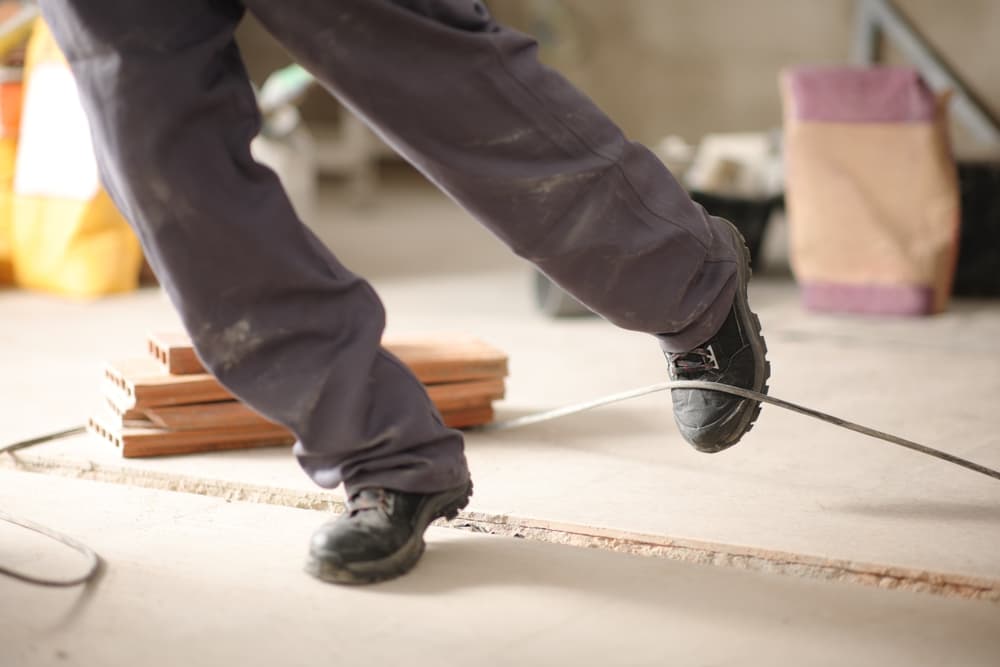
Trip and fall accidents happen when people catch their feet on objects or uneven surfaces, causing them to fall forward. These accidents often injure the face, arms, and upper body as victims try to break the fall.
In Florida, sidewalk defects are a common cause, with tree roots lifting concrete and soil settling into cracks or dips. Property owners must repair such hazards promptly.
Construction debris, tools, or materials left in walkways also pose risks, and owners and contractors may share responsibility. Electrical cords, cleaning equipment, and misplaced merchandise in walkways create preventable dangers in stores, offices, and restaurants.
Swimming Pool and Water-Related Accidents
Florida’s warm climate makes pools, spas, and water features common, but they also create safety risks. Property owners must protect visitors from drowning, diving injuries, and slips around wet areas. Inadequate fencing or security can lead to tragic drownings, especially when children gain access without permission.
State law requires safety features for residential pools, while commercial facilities must provide proper supervision and safety measures. Diving accidents often happen due to shallow water, hidden obstacles, or poor warnings. Owners must mark depths clearly and allow diving only in safe spots. Non-slip surfaces, drainage, and cleaning help prevent poolside slip accidents.
Inadequate Security and Criminal Acts
Property owners in certain areas of Florida have duties to provide reasonable security measures to protect visitors from foreseeable criminal acts. When owners fail to implement appropriate security and visitors suffer harm from violent crimes, the property owner may share liability with the actual perpetrator.
Poorly lit parking areas, broken security cameras, and non-functioning access controls create opportunities for criminals to target victims on commercial properties. Business owners must assess crime risks in their areas and implement security measures appropriate for the threat level their customers face.
Hotels and apartment complexes face particular scrutiny regarding security measures due to the extended time visitors spend on their properties. Inadequate door locks, broken security gates, and absent security personnel can contribute to criminal acts that result in premises liability claims.
Retail Store and Restaurant Accidents
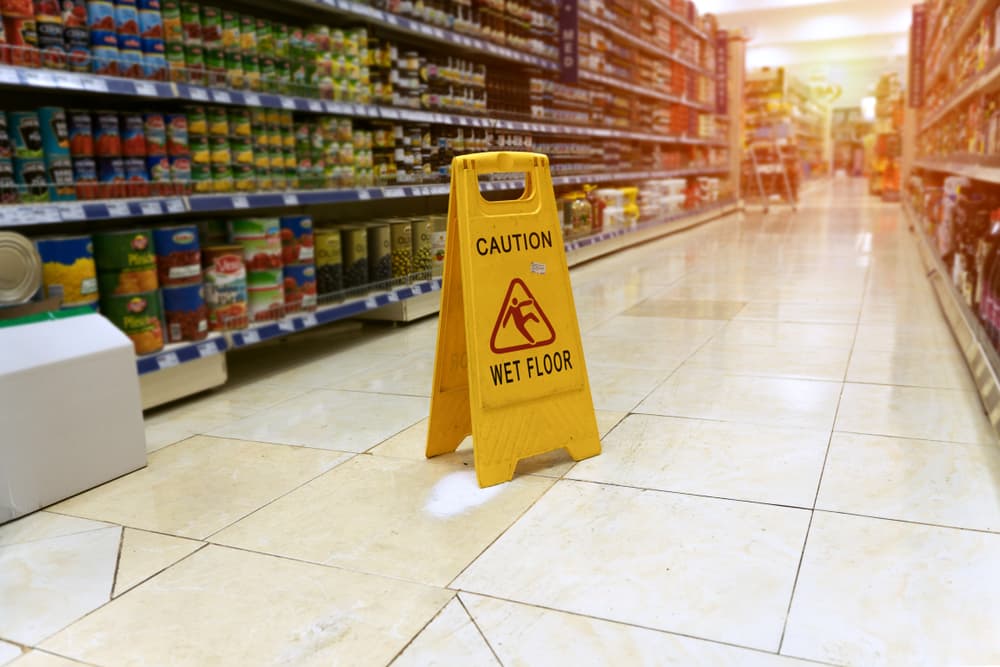
Commercial establishments throughout Florida experience various types of premises liability accidents due to the constant flow of customers and the nature of retail and food service operations. To avoid creating dangerous conditions, these businesses must balance operational efficiency with customer safety.
Merchandise displays that become unstable or block emergency exits create hazards for shopping customers. Heavy items placed on high shelves, overloaded displays, and improperly secured promotional materials can fall and injure innocent shoppers browsing nearby.
Restaurant operations involve numerous potential hazards, including spilled food and beverages, hot surfaces, broken dishes, and kitchen equipment positioned near customer areas. Food service establishments must train employees to address spills immediately and maintain safe conditions throughout dining and service areas.
Shopping carts and other equipment provided for customer use must be properly maintained to prevent accidents. Defective wheels, broken handles, and sharp edges on carts can cause injuries when customers use equipment that appears safe but contains hidden defects.
Construction Site and Work Zone Hazards
Active construction projects throughout Florida create temporary but serious hazards that can affect both workers and passing pedestrians. Property owners and contractors must implement appropriate safety measures to protect people who may encounter construction-related dangers.
Inadequate barriers around construction zones allow unauthorized persons to enter dangerous areas where they may encounter heavy machinery, open excavations, or unstable structures. Proper fencing, warning signs, and security measures help prevent accidents involving people who shouldn’t be in work areas.
Falling objects from construction sites pose significant risks to pedestrians on adjacent sidewalks and nearby properties. To prevent tools and materials from injuring people outside the immediate work area, contractors must implement protective measures such as netting, barriers, and restricted access zones.
Temporary walkways and alternative routes created during construction must meet safety standards to prevent trip and fall accidents. When construction blocks normal pedestrian traffic, contractors and property owners must provide safe alternatives that don’t create additional hazards for people navigating around work zones.
Elevator and Escalator Accidents
To operate safely, mechanical devices like elevators and escalators require regular maintenance and inspection. When property owners neglect these responsibilities, serious accidents can occur, resulting in significant injuries to users who reasonably expect these devices to function properly.
Elevator malfunctions can cause people to become trapped between floors, fall into elevator shafts, or suffer injuries when doors close improperly. Property owners must maintain service contracts with qualified technicians and address known problems promptly to prevent accidents.
Escalator accidents often involve clothing or body parts becoming caught in moving mechanisms, sudden stops that cause users to fall, or missing or damaged safety features. Shopping centers, airports, and office buildings with escalators must ensure proper maintenance and provide clear safety instructions for users.
Emergency communication systems in elevators must function properly to allow trapped passengers to summon help. When these systems fail and people remain trapped for extended periods, property owners may face liability for resulting physical and emotional injuries.
Parking Lot and Garage Incidents
Parking facilities present unique premises liability risks due to vehicle and pedestrian traffic, varying lighting conditions, and exposure to weather elements. Property owners must address these challenges to maintain reasonably safe conditions for people using their parking areas.
Potholes, broken pavement, and inadequate drainage create hazards for both vehicles and pedestrians in parking areas. Property owners must inspect and maintain these surfaces regularly, addressing problems before they become severe enough to cause accidents.
Inadequate lighting in parking areas increases risks of both accidents and criminal activity. Property owners must provide sufficient illumination to allow people to navigate safely and see potential hazards while moving between their vehicles and building entrances.
Poor traffic control measures in parking lots can lead to vehicle-pedestrian accidents and collisions between vehicles. Clear marking of pedestrian walkways, appropriate speed limit signs, and proper traffic flow design help reduce accident risks in busy parking areas.
Weather-Related Hazard Management
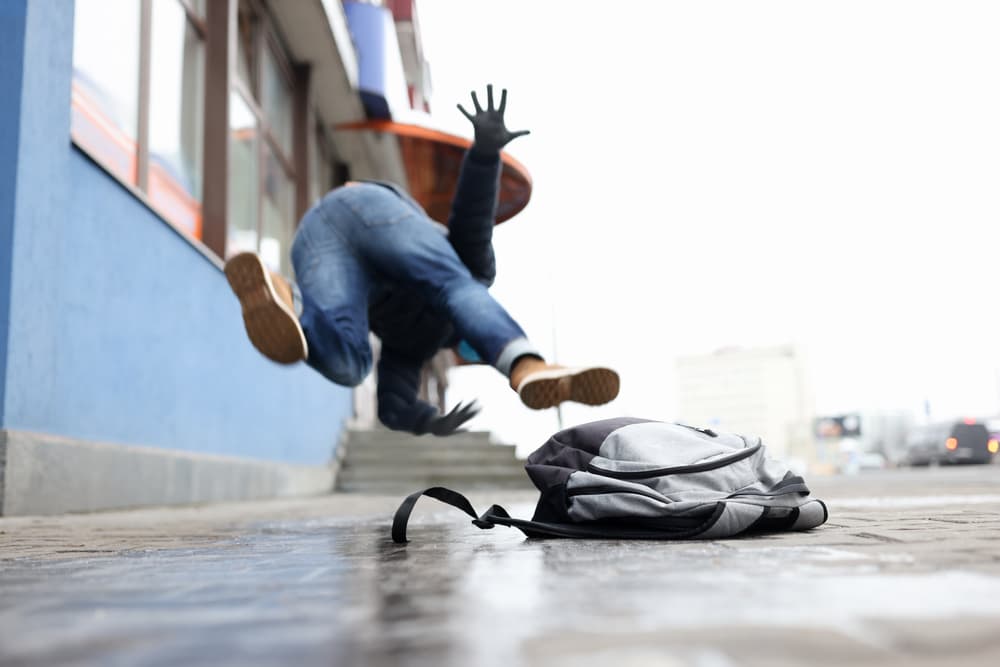
Florida’s climate creates specific challenges for property owners who must address weather-related hazards that can cause premises liability accidents. Frequent storms, high winds, and intense sunshine require ongoing attention to maintain safe conditions.
Storm debris, including fallen tree branches, broken glass, and displaced objects, creates immediate hazards that property owners must address promptly after severe weather events. Reasonable inspection and cleanup efforts following storms help prevent injuries to visitors encountering dangerous debris.
Hurricane and tropical storm preparation requires property owners to secure loose objects that can become projectiles in high winds. Outdoor furniture, signs, and decorative elements must be properly anchored or removed to prevent them from causing injuries during severe weather events.
Standing water from heavy rains creates slip hazards and can mask dangerous conditions like potholes or broken pavement. Property owners must ensure adequate drainage and address flooding issues that create temporary but serious safety risks for visitors.
Tourist and Hospitality Industry Accidents
Florida’s massive tourism industry creates specific premises liability challenges as hotels, theme parks, and entertainment venues must protect millions of visitors who may be unfamiliar with local conditions and potential hazards.
Theme park accidents can involve mechanical ride failures, inadequate safety instructions, or dangerous conditions in walking areas around attractions. Given the volume of visitors and complexity of operations, these facilities must implement comprehensive safety programs and maintain all equipment to rigorous standards.
Hotel accidents often occur in guest rooms, hallways, swimming pool areas, and parking facilities. Hotel operators must address maintenance issues promptly and ensure all areas accessible to guests meet appropriate safety standards throughout their stay.
Beach and waterfront property accidents present unique challenges due to changing tides, shifting sand conditions, and various water activities. Property owners near beaches must address known hazards and provide appropriate warnings about dangerous conditions that may not be obvious to visitors.
Protecting Your Rights After Florida Premises Liability Accidents
The diverse types of premises liability accidents that occur throughout Florida reflect the state’s unique combination of climate, tourism, and urban development. Property owners have clear responsibilities to maintain safe conditions and protect visitors from foreseeable hazards, regardless of the specific circumstances that led to your accident.
Insurance companies representing negligent property owners will work aggressively to minimize their liability and reduce compensation payments to injured victims. They may argue that accidents were unforeseeable, that victims were responsible for their injuries, or that property owners met reasonable safety standards despite obvious hazards.
Building a strong premises liability case requires thorough investigation, expert analysis, and comprehensive documentation of the dangerous condition and your resulting injuries. An experienced premises liability lawyer understands how to counter insurance company tactics and fight for maximum compensation that reflects the true impact of your accident.
Don’t let negligent property owners escape responsibility for failing to maintain safe conditions. Contact a qualified premises liability attorney today to discuss your case and learn how to protect your rights while pursuing the compensation you deserve for your injuries and losses.
Frequently Asked Questions
What should I do immediately after suffering a premises liability accident in Florida?
Seek medical attention for your injuries first, then document the accident scene with photographs if possible, report the incident to the property owner or manager, and gather witness contact information. Contact a premises liability attorney as soon as practical to protect your legal rights.
How long do I have to file a premises liability lawsuit in Florida?
Florida’s statute of limitations for premises liability cases is generally four years from the date of injury, but specific circumstances may affect this deadline. Therefore, it is crucial to consult with an attorney promptly to ensure your claim is filed within all applicable time limits.
Can I still recover compensation if I was partially at fault for my accident?
Florida follows a comparative fault system, meaning you may still recover compensation even if you bear some responsibility for your accident. However, your award will be reduced by your percentage of fault as determined by the court or settlement negotiations.
James Wayne Holliday
James Wayne Holliday has been practicing law since 1995. He has been named as a “Best Attorney” Lifetime Charter Member in Florida, an honor awarded to less than one percent of the nation’s lawyers.
Mr. Holliday has earned a reputation as a relentless trial lawyer because of his outstanding work ethic and thorough preparation of his cases for trial.
Author's Bio