A sudden fall can change everything. One moment you’re walking through a store or down a flight of stairs, and the next, you face injuries, medical bills, and uncertainty. Addressing a slip and fall accident in Florida involves more than just physical recovery; it requires strategic action to protect your legal rights.
The steps you take in the days and weeks following the incident directly influence your ability to recover compensation for the harm you suffered. A Florida slip and fall lawyer can explain your options and provide a clear path forward.
Key Takeaways for Slip and Fall Accident in Florida
- Your first priority remains your health; follow through with all medical appointments and prescribed treatments.
- The evidence you collect and preserve from home, such as clothing and your own notes, forms the foundation of a strong claim.
- Florida law requires property owners to maintain their premises in a reasonably safe condition for visitors; if they fail to do so, you may have a case.
- Avoid discussing the details of your case or accepting any offers from the property owner's insurance company without legal counsel.
5 Critical Steps To Protect Your Rights From Home

After you return home and begin to process the events of your accident, you can take several key actions to position yourself for better compensation. Can you sue for a slip and fall in Florida? Yes, if the property owner’s negligence caused your injuries, you may have grounds for a premises liability claim. These steps help preserve your legal rights and build a foundation for a potential premises liability claim in Florida.
A proactive approach in the days following a fall makes a significant difference.
1. Continue Your Medical Treatment Without Interruption
Following the medical plan your doctor creates is crucial not only for your physical recovery but also for your legal claim. Attending all follow-up appointments, physical therapy sessions, and specialist visits demonstrates the seriousness of your injuries.
Gaps in treatment can give an insurance company an excuse to argue your injuries aren’t as severe as you claim. Keep a detailed file of every provider you see and every treatment you receive.
2. Document Everything Related to the Incident
Memories can fade quickly, so write down every detail you can recall about your slip and fall accident in Florida. Record the date, time, and specific location of the fall. Describe the circumstances leading up to it, what you were doing, and who was with you.
Write down the names and contact information of any witnesses. Additionally, start a daily journal to track your pain levels, physical limitations, emotional state, and any daily activities your injuries prevent you from doing. This log provides a continuous record of how the injury affects your life.
3. Preserve Key Physical Evidence
The physical evidence from the day of the accident matters, so preserve the shoes and clothing you were wearing during the fall. Store them in a safe place, unwashed, as they may hold trace evidence of the hazard that caused you to fall, like a chemical substance or residue.
Also, make sure you back up any photos or videos you or a witness took of the scene and your injuries. This tangible proof helps paint a clear picture of what happened.
4. Resist Speaking With Insurance Adjusters
You can expect a call from an insurance adjuster representing the property owner. They may sound friendly and helpful, but their job is to protect their company's financial interests by minimizing or denying your claim.
You don’t have to give them a recorded statement. Politely decline to discuss the details of your slip and fall accident in Florida and direct them to your attorney. Anything you say can potentially be used against you later.
5. Contact a Premises Liability Attorney
Let an experienced Florida slip and fall lawyer evaluate your case and guide you on the proper legal path. They handle the complexities of the legal process, allowing you to focus on your recovery.
Seeking legal advice early on helps prevent you from making costly mistakes, like accepting a low settlement offer or missing a critical deadline. Slip and fall laws in Florida determine how liability, deadlines, and compensation work in these cases, so having an attorney familiar with these regulations ensures your claim follows the right legal standards. A lawyer acts as your advocate, working to hold the negligent property owner in Florida accountable for their actions.
What Not To Do After a Slip and Fall Accident in Florida
Just as important as the steps you take are the actions you need to avoid. Certain missteps can significantly damage your ability to pursue compensation for the harm you have suffered.
Steer clear of these common pitfalls:
- Posting on Social Media: Avoid discussing your accident or posting photos of your activities online, as insurance companies will scrutinize your profiles for anything that contradicts your injury claim.
- Giving a Recorded Statement: You’re under no obligation to provide a recorded statement to the property owner's insurance adjuster, who can twist your words to weaken your case.
- Minimizing Your Injuries: Downplaying your pain or symptoms, even in casual conversation, can create an inconsistent record that defense attorneys may use against you later.
- Signing Documents: Don’t sign any waivers, releases, or other documents from an insurance company without having your lawyer review them first.
- Waiting To Act: Delaying medical treatment or putting off a call to an attorney allows valuable evidence to disappear and puts you at risk of missing the strict filing deadlines.
Proving Negligence in a Florida Premises Liability Claim
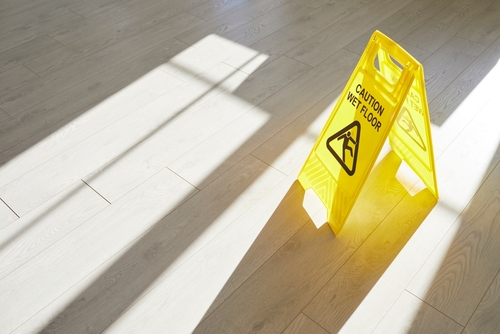
A successful premises liability claim hinges on proving that the property owner’s negligence caused your injuries. This involves showing that they failed to uphold their legal duty to provide a safe environment.
Simply falling on someone else’s property doesn’t automatically mean you have a case. Your legal team must establish several specific elements under Florida premises liability law. You need a lawyer after a slip and fall because these claims require strong evidence and legal analysis to prove that the property owner failed in their legal duties. A slip and fall accident in Florida claim requires evidence that shows the property owner failed in their legal duties.
The Property Owner's Duty of Care
Under Florida law, a property owner's responsibility to a visitor depends on the visitor's status. For invited guests, such as customers in a store or visitors in a home, the owner owes the highest duty of care.
This duty requires them to maintain the property in a reasonably safe condition. It also requires them to warn visitors of any hidden dangers they knew about or should have known about through reasonable inspection.
Proving a breach of this duty is central to a claim stemming from a slip and fall accident in Florida. For instance, a Brooksville grocery store has a duty to clean up a spill in a timely manner. If they don’t and you fall and injure yourself, you may have a case for compensation.
What Constitutes a Dangerous Condition
A dangerous condition is a hazard that presents an unreasonable risk of harm. These aren’t always obvious. The condition might be temporary, like a spilled liquid, or a permanent feature, like a poorly designed staircase.
Your attorney works to show that the condition was indeed unsafe and not something a reasonably careful person would have noticed and avoided.
Common examples of these hazards include:
- Wet or Slippery Surfaces: Spills, freshly mopped floors without warning signs, or tracked-in rainwater can create dangerous slipping hazards.
- Cluttered Walkways: Merchandise, boxes, cords, or equipment left in aisles or hallways can easily cause a trip and fall.
- Poor Lighting: Inadequately lit stairwells, hallways, and parking lots can conceal otherwise obvious hazards.
- Damaged Flooring: Broken tiles, torn carpeting, or uneven floorboards pose a significant risk to visitors.
- Structural Defects: Broken handrails, poorly maintained stairs, or unsafe ramps can lead to a serious slip and fall accident in Florida.
Proving the Owner Knew or Should Have Known
One of the most challenging aspects of a slip and fall case is proving that the property owner had notice of the dangerous condition. Florida statutes require you to show that the business had actual or constructive knowledge of the hazard.
Actual knowledge means that someone reported the hazard or that an employee created it. Constructive knowledge means that the hazard existed for so long that a reasonably prudent property owner should have discovered it.
Evidence such as video surveillance, maintenance logs, or witness testimony can help establish how long the dangerous condition was present before your injury occurred.
An investigator may find evidence that the property owner in an Inverness retail location consistently failed to perform safety checks.
How a Florida Slip and Fall Lawyer Helps You Seek Compensation

When you face a negligent property owner and their insurance company, having a dedicated legal advocate changes the dynamic. A personal injury lawyer does much more than file paperwork; they manage every aspect of your case so you can concentrate on healing. How long does a slip and fall claim take often depends on the complexity of the case, the extent of your injuries, and how willing the insurance company is to settle fairly.
They work to ensure you receive fair treatment throughout the entire process.
Here is how an attorney can specifically help you:
- Investigates Your Case: Your legal team will conduct a deep investigation into the circumstances of your fall, gathering evidence like photos, witness statements, incident reports, and video surveillance.
- Hires Relevant Experts: In complex cases, they may hire professionals to analyze structural defects or medical experts to testify about the severity and long-term consequences of your injuries.
- Manages All Communications: Your lawyer will handle all calls, emails, and negotiations with the property owner's insurance company, protecting you from adjusters who may try to get you to settle for less.
- Accurately Calculates Damages: Lawyers know how to document all your economic and non-economic losses accurately to determine the full and fair value of your slip and fall case.
- Negotiates Your Settlement: Your attorney leverages the evidence and their legal experience to negotiate aggressively for a settlement that covers all your damages.
- Represents You in Court: If the insurance company refuses to make a fair offer, your lawyer can take your case to trial and fight for your rights before a judge and jury.
FAQ for What To Do After a Slip and Fall Accident in Florida
How Long Do I Have To File a Lawsuit for a Slip and Fall Accident in Florida?
Under Florida law, you usually have two years from the date of the incident to file a personal injury lawsuit. This is known as the statute of limitations. Failing to file your case within this window typically means you lose your right to seek compensation forever.
Speak with a Florida premises liability attorney well before this deadline approaches to ensure there is enough time to investigate your claim and file the necessary legal documents properly.
What if I Didn’t File an Incident Report at the Scene?
While filing an incident report creates a useful record, failing to do so doesn’t end your case. Many people feel disoriented or are in too much pain to think about paperwork immediately after a fall. Report the accident to the owner or manager as soon as you can.
You can still build a strong claim by documenting everything from home, preserving physical evidence, and gathering witness information after the fact.
What Happens if the Fall Occurred on Government Property?
Claims against government entities (like a city, county, or state) have different rules and much shorter deadlines. Under Florida's sovereign immunity laws, you often have to provide formal notice of your claim within a very specific and much shorter timeframe.
The rules are complex, making legal guidance essential if your fall happened on public property, such as a post office or a public park.
Should I Accept the First Settlement Offer From the Insurance Company?
You should almost never accept the first settlement offer. The initial offer from an insurance company is typically far below the actual value of your claim. Insurers make these low offers, hoping victims are desperate for money and unaware of the full extent of their damages.
Always consult with a Florida slip and fall attorney before accepting any offer.
What Evidence Is Most Important in a Slip and Fall Case?
While every piece of evidence helps, photographic or video evidence of the dangerous condition that caused your fall is often the most powerful. Photos of the hazard taken immediately after the incident can definitively prove the condition existed.
Additionally, your medical records provide a clear link between the fall and the injuries you sustained.
What if I was partially at fault for my fall?
Florida follows a modified comparative negligence rule. This means that if you are partially responsible for your slip and fall accident, your compensation may decrease proportionally to your percentage of fault. If a court finds you 51% or more at fault, you cannot recover any damages.
What types of damages can I recover?
You may recover economic damages like medical bills, lost wages, and future medical expenses. You may also recover non-economic damages for pain and suffering, emotional distress, and loss of enjoyment of life.
Take the Next Step Toward Your Recovery
The journey after an injury can feel long, but you don’t have to walk it alone. Protecting your future begins with a single, decisive action. Arm yourself with information and secure professional guidance to move forward with confidence.
At SlipOrFall.com, we help people who have been injured by a property owner's negligence. If you suffered a slip and fall accident in Florida, contact us for a free consultation at (866) 597-0009.

James Wayne Holliday
James Wayne Holliday has been practicing law since 1995. He has been named as a “Best Attorney” Lifetime Charter Member in Florida, an honor awarded to less than one percent of the nation’s lawyers.
Mr. Holliday has earned a reputation as a relentless trial lawyer because of his outstanding work ethic and thorough preparation of his cases for trial.
Author's Bio